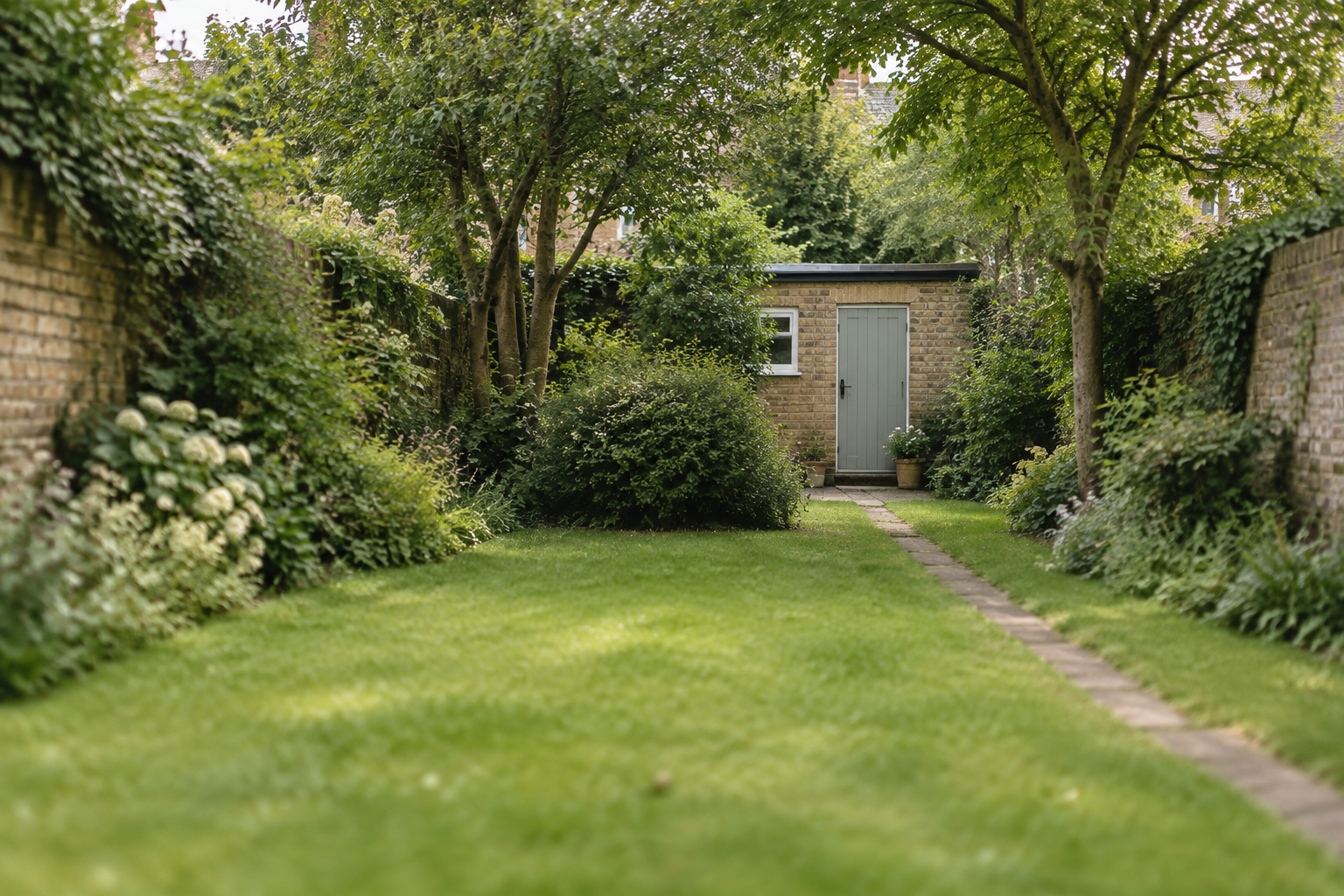
Could a small brick building at the bottom of a garden be worth £340,000 in tax?
In one recent case, it was. HMRC has just lost a Stamp Duty Land Tax (SDLT) dispute over that sum, after arguing that an electrical substation, “danger of death” sign and all, was part of a residential property. The tribunal decision came out this month. It’s a timely reminder that how a property is classified for SDLT can make a huge difference to what you pay. Here’s what happened and why it matters if you’re buying.
If you’re buying a property with something like this on the land, our conveyancing team can talk it through with you.
What happened?
In May 2024, a private company called Inngrays Limited bought a £7.75m property in Hampstead. The building was split into five flats. At the back of the garden sat an electricity substation, let to London Power Networks. This was no recent addition. The land beneath it had been used for electricity distribution since at least 1963, and the current lease gives the electricity company exclusive possession for 20 years from 2010.
The buyer paid £377,000 in SDLT. It took the view that the substation made the property “mixed-use”. HMRC disagreed. It said the whole property was residential and asked for another £341,750.
Why does “mixed-use” matter?
It comes down to the rates. On residential property, SDLT can reach 12% on the part of the price above £1.5m, or 17% for companies and anyone buying an additional home. Mixed-use property includes some non-residential land or buildings, such as shops, woodland or farmland, and its rates are far lower, topping out at 5%.
So where does a substation fit? The law treats a home’s “garden or grounds” as residential, along with any building or structure on that land. That left the tribunal with a question that sounds simple but isn’t. Was the substation part of the flats’ garden or grounds? If it was, the whole purchase was residential. If it wasn’t, the purchase was mixed-use.
The outcome
HMRC’s case was that the substation was only a “modest” intrusion that did not alter the “essential residential character of the land”. The tribunal didn’t accept that. It concluded that the substation “has a self-standing commercial function which is separate from, and unconnected with, the use of the flats as dwellings”.
No single point won the day. It was the combination that counted:
- Complete exclusion: the owner was kept off the land except in very limited circumstances, and the people living in the flats had no rights over it at all.
- A separate building: the substation took up a defined area and made any residential use of it impossible. That set it apart from earlier cases about overhead or underground cables, or septic tanks.
- A long history of separate use: the land had been used for electricity distribution for more than 60 years.
This may not be the final word. HMRC says it is “carefully considering” its next steps, and it could still ask for permission to appeal.
What does this mean for buyers?
First, the bad news for anyone hoping for a loophole: there isn’t one. The tribunal was clear that rights held by someone else, or a commercial use, won’t on their own turn residential land into non-residential land. Every case is judged on all its facts, and no single factor settles it. HMRC is also wary of these claims, having seen buyers argue that parts of their gardens were trout-fishing or grazing businesses.
That said, where part of a property really is used for a separate commercial purpose, the lower mixed-use rates can legitimately apply. Just remember that it’s up to the buyer to prove it.
Practical guidance
So when should you get specialist SDLT advice? It’s worth asking if the property includes:
- utility infrastructure such as a substation, telecoms mast or pumping station, especially if it’s let to a third party;
- land held under a separate title or let under a separate lease;
- outbuildings, paddocks or other land used commercially rather than domestically;
- a building that may not be suitable to live in, although HMRC says these claims rarely succeed.
A few other tips:
- Raise it early: mention any unusual features to your conveyancer before contracts are exchanged.
- Keep the paperwork: title registers, leases and plans showing separate occupation were key in this case.
- Be wary of refund firms: a weak mixed-use claim can lead to an HMRC enquiry, extra tax and interest.
One feature of a property, even one tucked away behind trees, can change an SDLT bill by hundreds of thousands of pounds. Getting the classification right from the start means you won’t pay more than you need to, and you’re less likely to face a challenge from HMRC later.
Need advice on your purchase?
If the property you’re buying includes land, buildings or rights that may not be purely residential, speak to our conveyancing team before you exchange contracts, so there’s time to get specialist SDLT advice if you need it.
This article is for general information only and is not legal or tax advice.